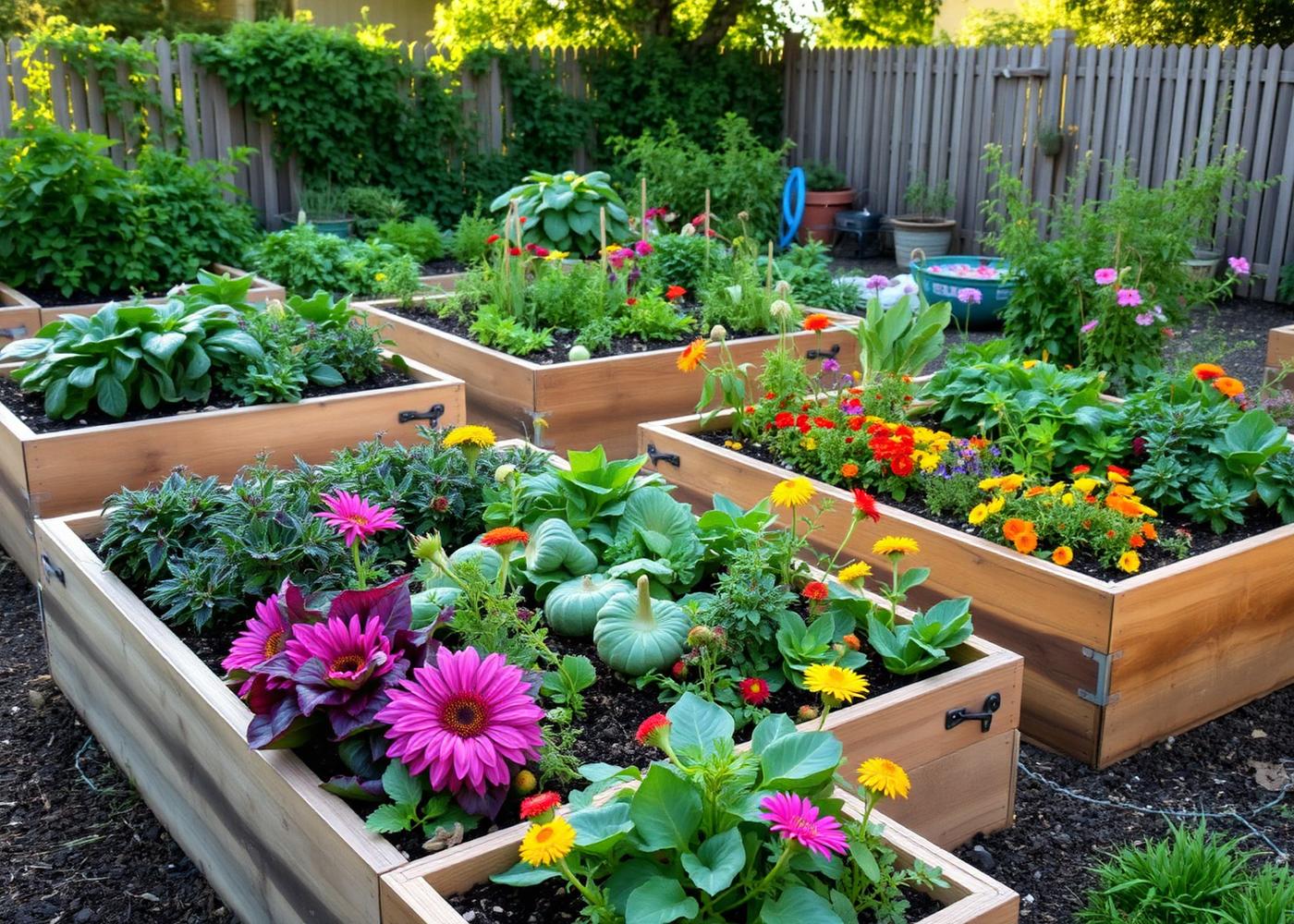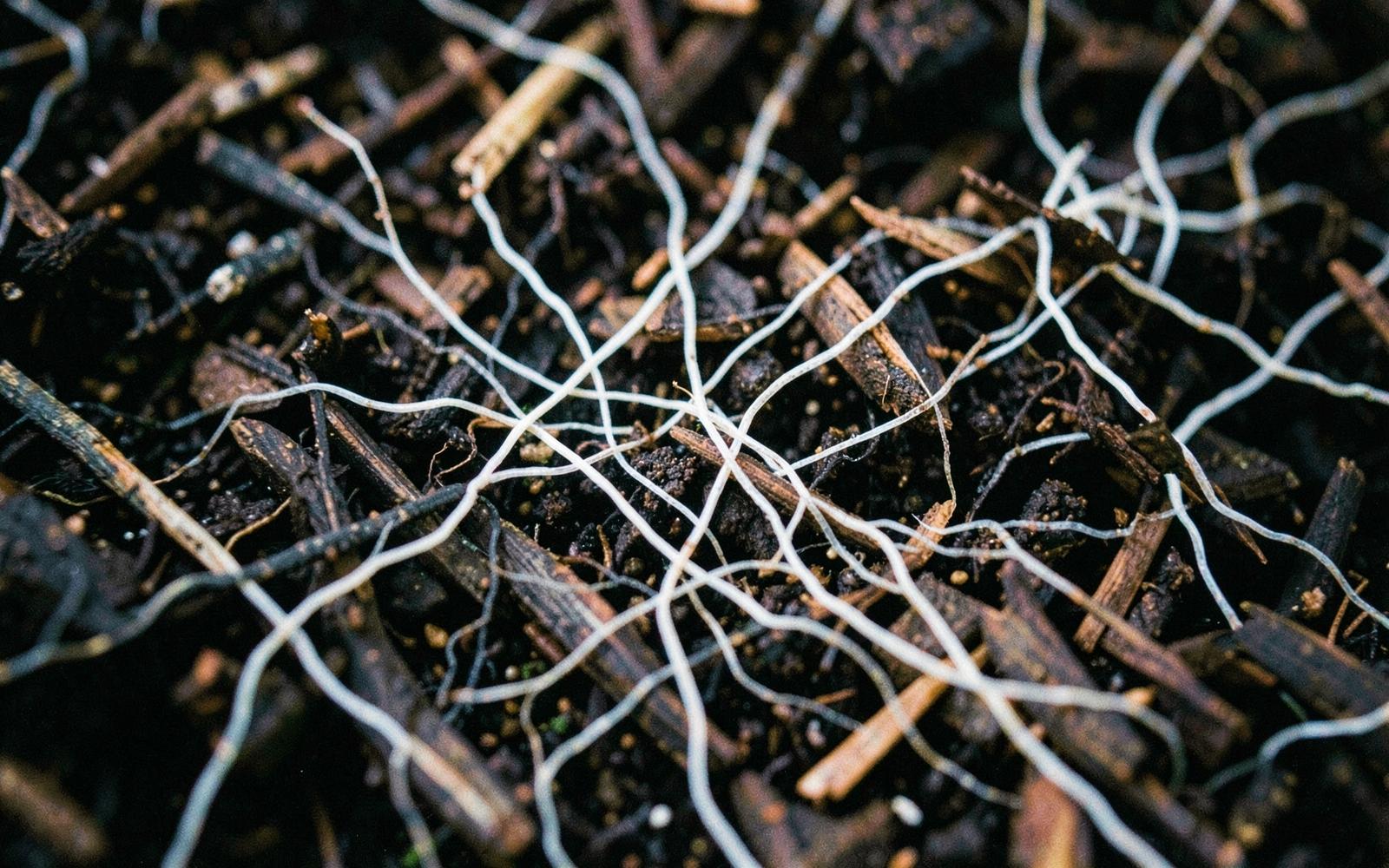
Containment
Smaller space, faster feedback.
When the root zone is bounded, every variable you change shows up in the plant within days instead of seasons.
I'm testing every way humans grow food — field, bed, hydro, pot — and measuring what actually ends up in the vegetable. Follow along. Grow with me.
The average grocery tomato travels a supply chain longer than most people's commute. But the real problem isn't the travel — it's what's not in it. Between 1950 and 1999, researchers at UT Austin tracked 43 garden crops and found measurable declines in minerals, protein, and vitamin C. The food looks the same. It isn't.
"Soil grows plants. Fertilizers just make them look like they grew."
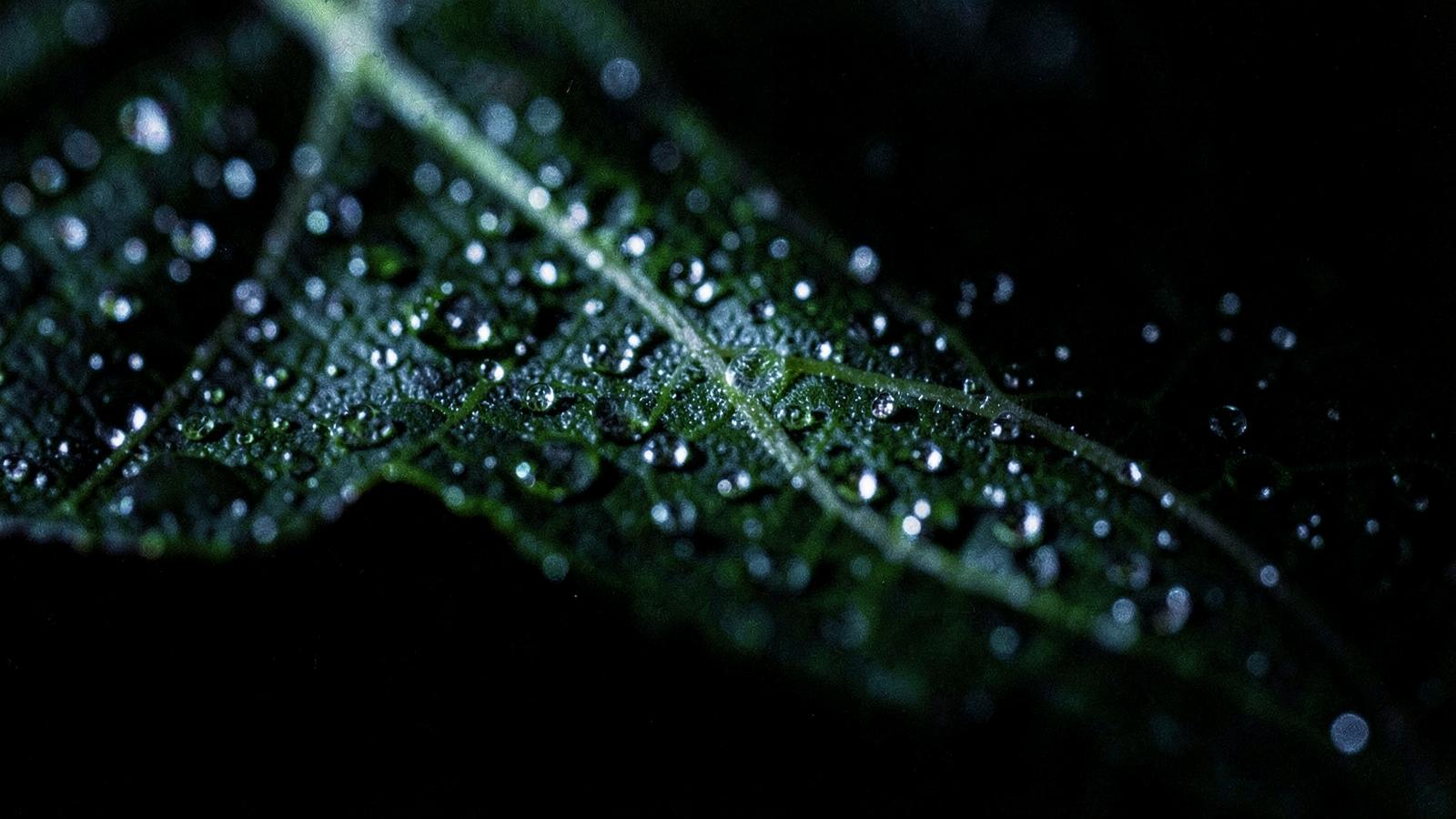
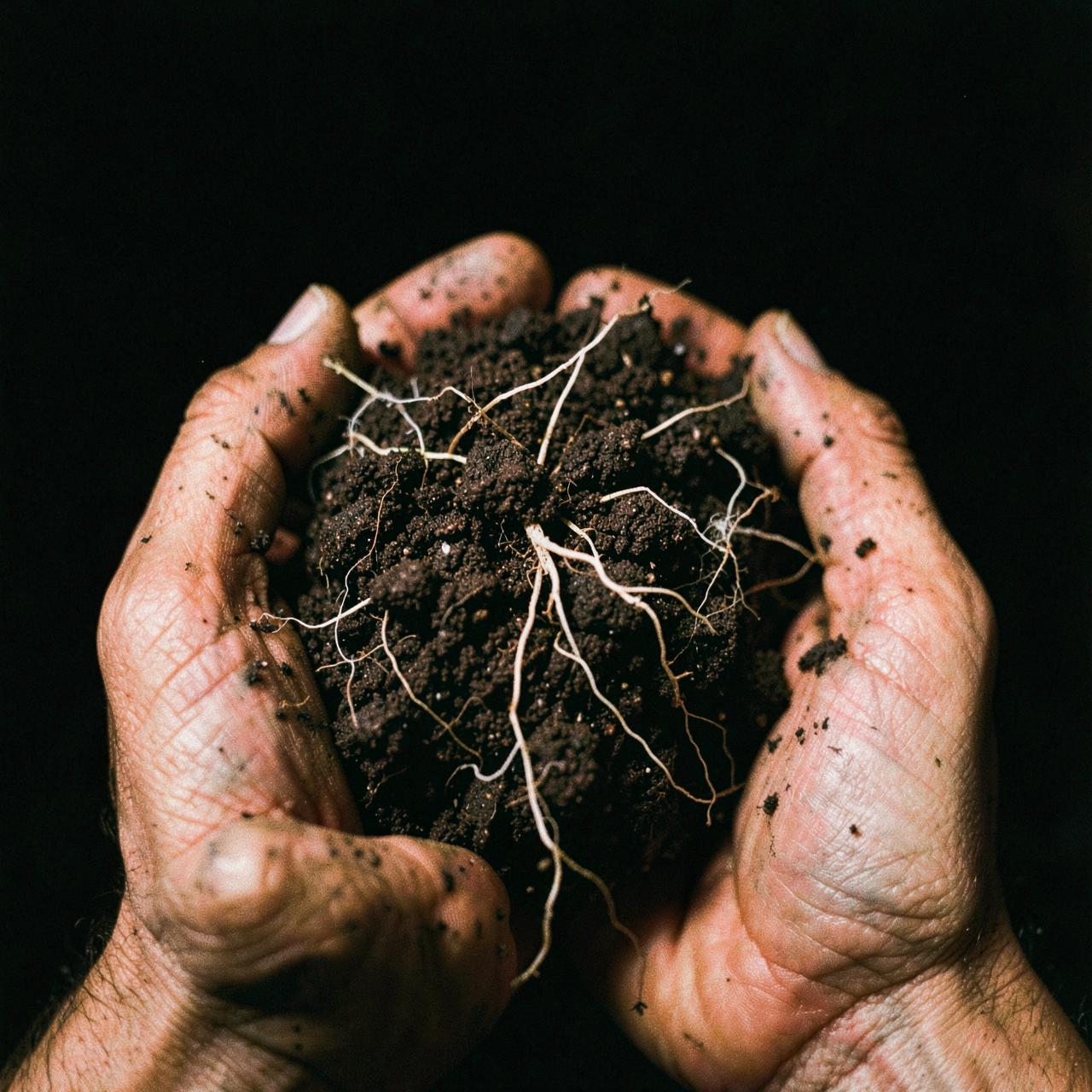
Underneath every healthy plant is a living community — bacteria breaking organic matter into food, mycorrhizal fungi extending roots far past where they could reach alone. That's the system doing the work. Synthetic fertilizer bypasses it. It's candy: a fast high, then dependency, then a dead room underground where the life used to be.
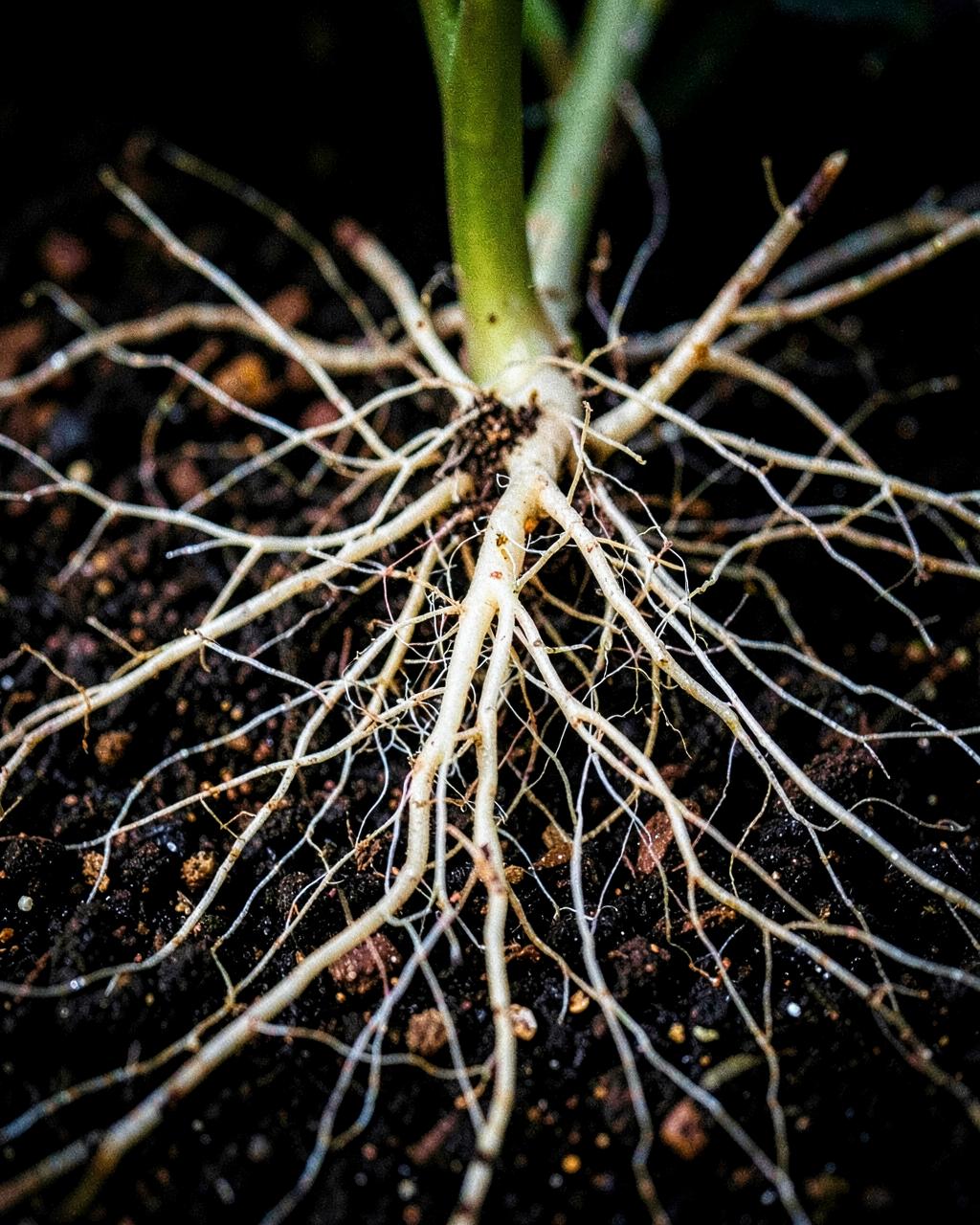
Fine root hairs and fungal threads reaching outward. The plant is buying minerals with sugar.
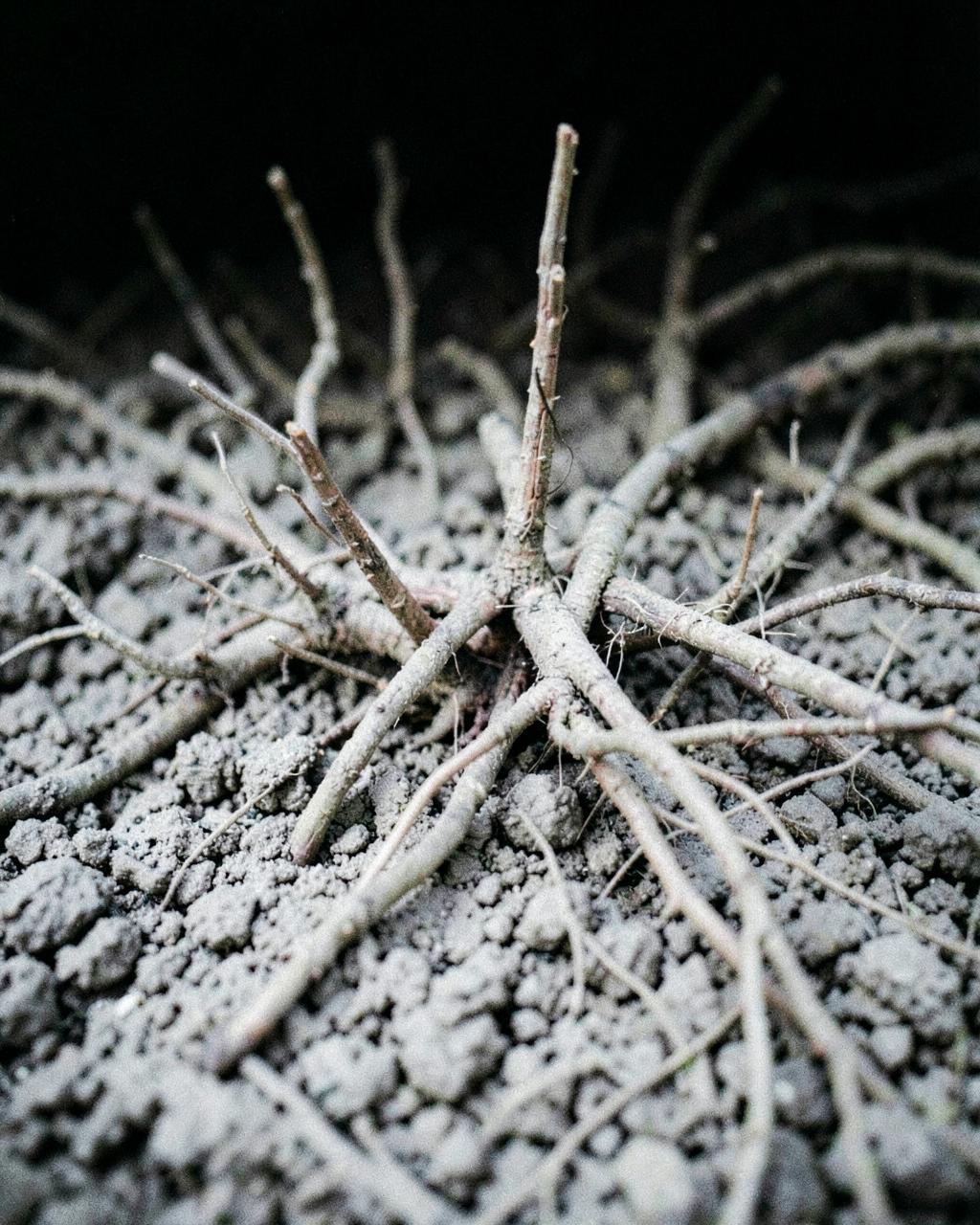
Thick, lazy roots in dead dirt. Nothing to trade with, so nothing extends. Growth is spoon-fed.
Smaller space, faster feedback.
When the root zone is bounded, every variable you change shows up in the plant within days instead of seasons.
Steady water, light, air, nutrients.
Plants don't reward peaks. They reward the absence of shocks — no drought swings, no flood, no starving weeks.
What the microbes build once you give them the first two.
Give the underground community stability and it starts trading with roots: minerals in, sugars out, on demand.
Every growing system on earth can be ranked by how well it hits these three. Including yours.
Not opinion — the ranking follows directly from the Three Cs. And I'm measuring it. Every harvest, every system, published, including the ones that disappoint me.
Containment for logistics, consistency for shelf life. Nothing for communication.
Better biology, but weather sets the terms and the root zone is unbounded.
Containment arrives. Water and air get manageable. Biology gets a chance.
Near-perfect consistency and containment — bought by removing the soil community.
Containment and consistency without giving up the biology doing the work.
Put in one reading from one crop. You'll get the tier it lands in and the single next thing that moves it up.
Five tiers, one number.
Loading readings…
Submissions are public to the community.
Mulch. Compost. Stop tilling. Water consistently. Shrink your beds. That moves you up the scale for free, and I'll show you exactly how. The pot isn't the point — it's just the fastest way to obey the same law.
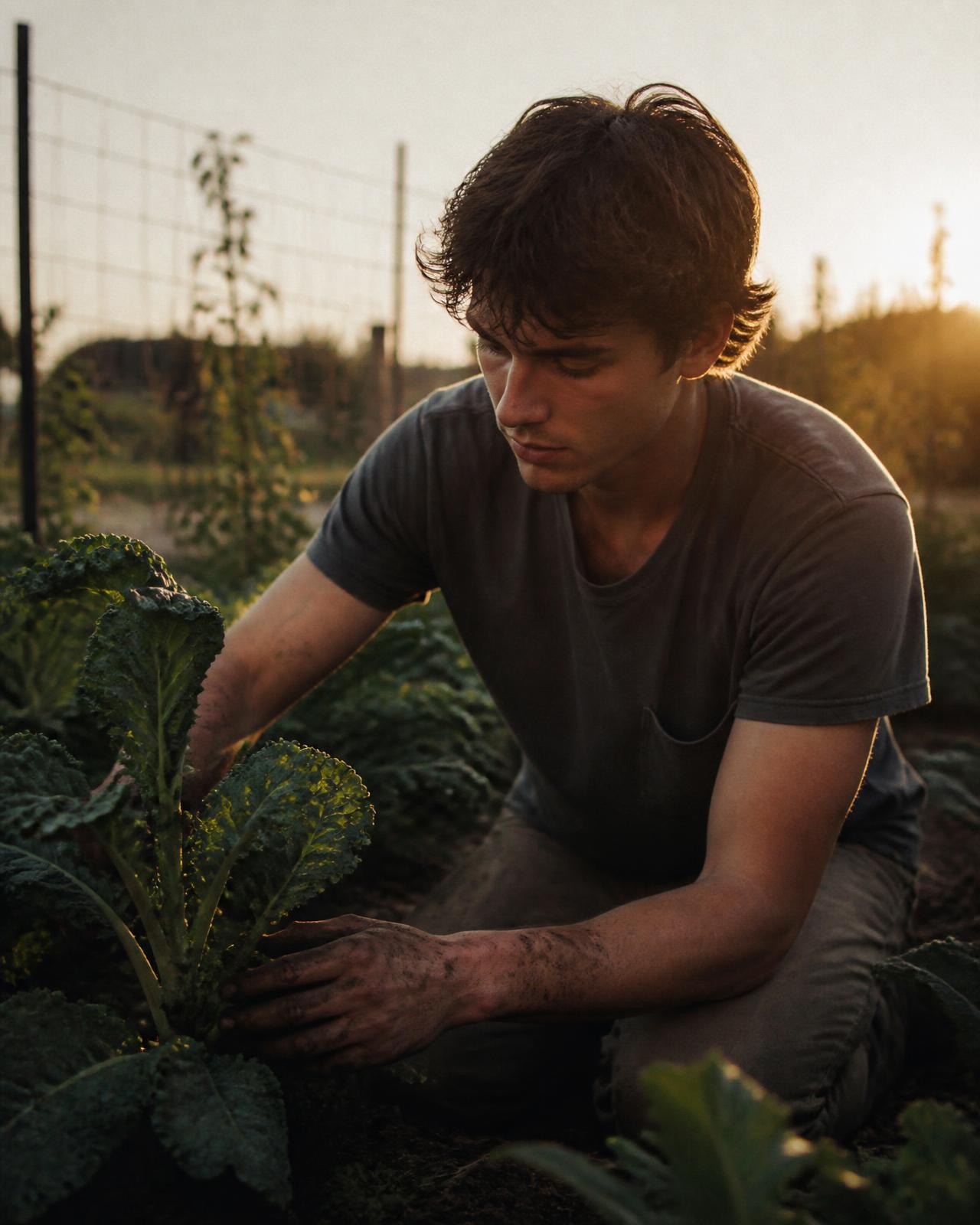
20 years old, studies soil science, teaches it because he can't help himself, top brand partner for Torpedopot, growing alongside his family. [FOUNDER BIO TO BE FINALIZED]
[REAL NUMBERS TO BE ADDED — nothing here is estimated or invented.]
Free community where growers log harvests, post their numbers, and compare systems.
Torpedopot is a patented self-irrigating system. It doesn't replace the work — it just hits containment and consistency harder than anything else I've measured.
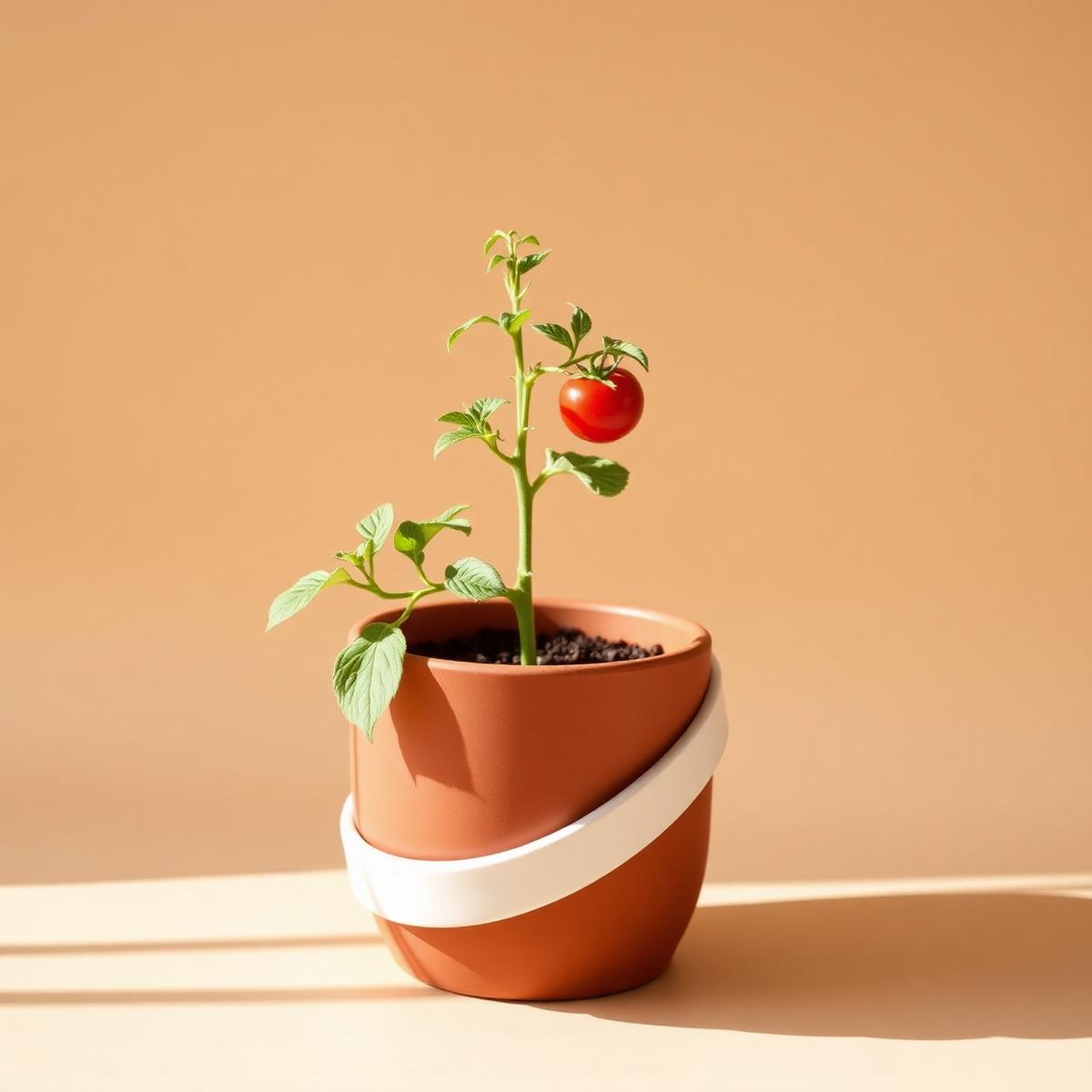
One self-irrigating pot. Enough to see the difference in one crop.
[PRICE TO BE ADDED]
EnquireThree pots. Run a real comparison against your bed with the same seed.
[PRICE TO BE ADDED]
EnquireThe setup I'm testing on the channel, so your log lines up with mine.
[PRICE TO BE ADDED]
EnquireThe book version of everything on this page: the Three Cs, the tier scale, and the measurements behind them — written so a first-year grower can act on it. Get told when the launch list opens.